_edited.png)
Exploring Alternative Alcohol Treatments: New Paths to Recovery
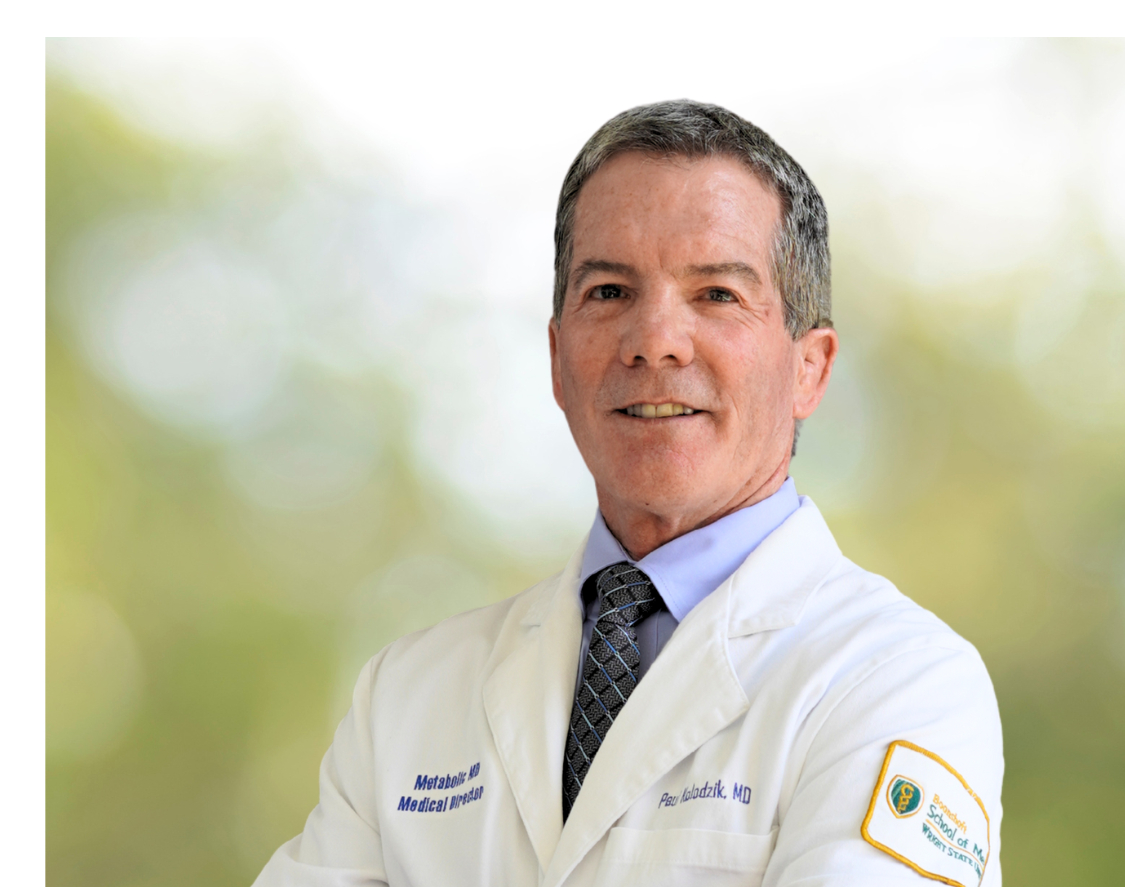
- Dr. Paul Kolodzik
- Mar 17
- 3 min read
Alcohol dependence can be a challenging journey. Many people seek help but find traditional methods like Alcoholics Anonymous (AA) do not fit their needs or preferences. Fortunately, there are alternative alcohol treatments that offer different approaches to recovery. These methods focus on personalized care, science-backed strategies, and holistic well-being. This article explores these options, providing practical insights and encouragement for those ready to reclaim control over their lives.
Understanding Alternative Alcohol Treatments
When it comes to overcoming alcohol dependence, one size does not fit all. Alternative alcohol treatments provide a variety of options beyond the traditional 12-step programs. These approaches often combine medical, psychological, and lifestyle interventions to support lasting change.
Some popular alternative treatments include:
Cognitive Behavioral Therapy (CBT): This therapy helps individuals identify and change negative thought patterns related to drinking.
Medication-Assisted Treatment (MAT): Certain medications can reduce cravings and withdrawal symptoms, making it easier to stop drinking.
Nutritional Support and Exercise: Improving physical health can boost mood and energy, supporting recovery.
Each of these methods can be tailored to individual needs, making recovery more accessible and effective.

Benefits of Choosing Alternative Alcohol Treatments
Choosing an alternative path to recovery can offer several advantages:
Personalized Care: Treatments can be customized to fit unique lifestyles, preferences, and health conditions.
Flexibility: Many alternative treatments offer options for in-person or online sessions, allowing for greater accessibility.
Reduced Stigma: Some people feel more comfortable with approaches that do not involve group meetings or public sharing.
Empowerment: These methods often encourage active participation and self-discovery, helping individuals build confidence and resilience.
For example, someone struggling with anxiety and alcohol use might find medication treatment combined combined with CBT particularly helpful. Another person might benefit from medication-assisted treatment alongside nutritional coaching.

How to Give Up Alcohol Without AA?
For those who want to stop drinking but prefer not to join AA, there are effective alternatives. Here are some practical steps to consider:
Seek Professional Guidance: A healthcare provider or addiction specialist can recommend treatments suited to your needs.
Use Medication if Appropriate: Medications like naltrexone or acamprosate can help reduce cravings and ease withdrawal.
Adopt Healthy Habits: Regular exercise, balanced nutrition, and mindfulness practices can improve overall well-being.
Set Clear Goals: Define your reasons for quitting and track your progress to stay motivated. Abstinence alone need not be the only goal. Incremental goals can be critical.
If you are interested in exploring alcohol treatment without aa, many resources and programs are available that focus on science-based and personalized care.
Integrating Science and Personalized Coaching in Recovery
Dr. Paul Kolodzik emphasizes a comprehensive approach to alcohol recovery that combines cutting-edge tools with personalized coaching. This method focuses on metabolic health, recognizing that physical well-being plays a crucial role in overcoming alcohol dependence.
Key components include:
Medication assisted treatment with GLP-1 medications and naltrexone. w
Metabolic Assessments: Understanding how alcohol affects your body’s metabolism helps tailor interventions.
Personalized Nutrition Plans: Proper diet supports liver function and brain health.
Behavioral Coaching: One-on-one coaching helps develop coping strategies and maintain motivation.
Ongoing Support: Regular check-ins ensure adjustments to the plan as needed.
This approach empowers individuals to take control of their health and recovery journey, fostering lasting change.
Embracing a New Lifestyle Beyond Alcohol
Recovery is not just about stopping drinking; it’s about creating a fulfilling life without alcohol. This may include just redcuing the amount your drinking (harm reduction). Alternative alcohol treatments encourage building new habits and finding joy in sober living.
Choosing an alternative alcohol treatment path can open doors to recovery that feel right for each person. With personalized care, science-backed methods, and supportive coaching, lasting freedom from alcohol dependence is within reach. Taking the first step may feel daunting, but with the right tools and mindset, a healthier, vibrant life is possible.


Comments