_edited.png)
Effective Alternative Alcohol Treatments Without AA
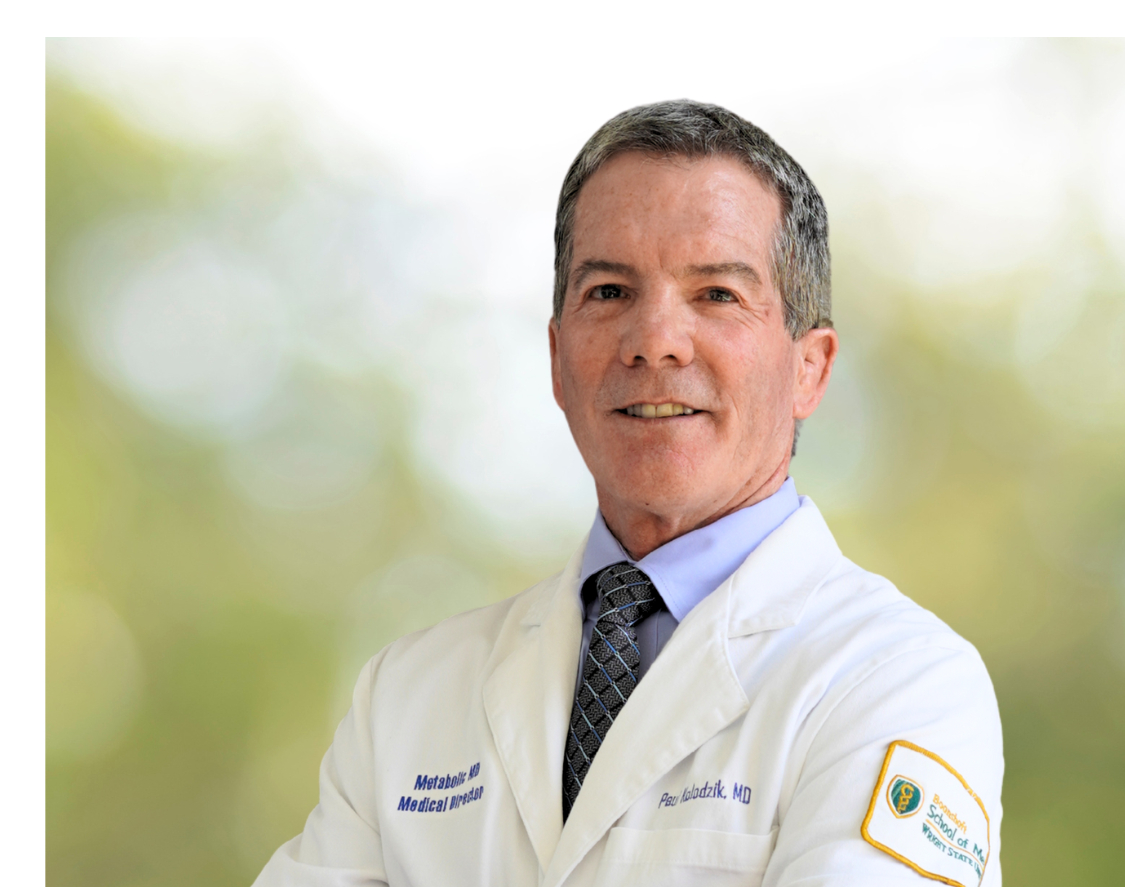
- Dr. Paul Kolodzik
- Mar 31
- 3 min read
Updated: Apr 14
Alcohol dependence is a challenge many face, and finding the right path to recovery can feel overwhelming. While Alcoholics Anonymous (AA) has been a popular choice for decades, it is not the only option. There are many effective alternative alcohol treatments that offer different approaches tailored to individual needs. These options can provide support, structure, and tools to help regain control and build a healthier life.
Exploring Alternative Alcohol Treatments
Not everyone connects with the AA model, which is based on a 12-step program and group meetings. Fortunately, alternative alcohol treatments offer a variety of methods that focus on different aspects of recovery. These treatments can be personalized and often integrate modern science and therapy techniques.
Some popular alternative treatments include:
Cognitive Behavioral Therapy (CBT): This therapy helps individuals identify and change negative thought patterns and behaviors related to alcohol use. It equips people with coping skills to handle triggers and stress without turning to alcohol.
Motivational Interviewing (MI): A counseling approach that strengthens motivation and commitment to change. It encourages self-reflection and helps build confidence in the ability to quit drinking.
Medication-Assisted Treatment (MAT): Certain medications can reduce cravings and withdrawal symptoms, making it easier to stop drinking. These are prescribed and monitored by healthcare professionals.
Holistic Therapies: Yoga, meditation, acupuncture, and nutritional counseling can support overall well-being and reduce the urge to drink by promoting relaxation and balance.
Individual and Group Therapy: Professional therapists provide personalized support, helping to address underlying issues such as trauma, anxiety, or depression that may contribute to alcohol use.
These options can be combined or used separately depending on what fits best with a person’s lifestyle and preferences.

How to Give Up Alcohol Without AA?
Giving up alcohol without AA is entirely possible and can be approached in several practical ways. The key is to find a method that feels supportive and sustainable.
Set Clear Goals: Define why quitting alcohol is important. Write down personal reasons and keep them visible as motivation.
Seek Professional Help: A doctor or addiction specialist can recommend treatments, including therapy or medications, tailored to individual needs.
Build a Support Network: Friends, family, or support groups outside of AA can provide encouragement and accountability.
Develop Healthy Habits: Exercise, hobbies, and mindfulness practices can replace drinking and improve mood.
Track Progress: Use journals or apps to monitor drinking patterns and celebrate milestones.
Prepare for Challenges: Identify triggers and plan how to handle cravings or social situations involving alcohol.
By taking these steps, individuals can create a personalized recovery plan that does not rely on AA but still offers structure and support.
The Role of Science-Backed Approaches in Recovery
Modern alcohol treatment increasingly relies on evidence-based methods. These approaches focus on understanding the biological, psychological, and social factors that contribute to alcohol dependence.
Neuroplasticity and Recovery: The brain can rewire itself with the right interventions. Therapies like CBT help reshape thought patterns and behaviors.
Personalized Coaching: Working with a coach who understands metabolic health and addiction science can provide tailored guidance and accountability.
Metabolic Health Focus: Improving overall health through nutrition and exercise supports the body’s ability to heal and reduces cravings.
Technology Integration: Apps and online programs offer accessible tools for tracking progress, learning coping skills, and connecting with professionals.
These science-backed strategies empower individuals to take control of their recovery journey with confidence and clarity.

Practical Tips for Sustaining Long-Term Sobriety
Maintaining sobriety is a continuous process that requires ongoing effort and self-care. Here are some practical tips to help sustain long-term success:
Create a Routine: Structure your day to include healthy activities and avoid idle time that might lead to cravings.
Stay Connected: Regularly engage with supportive people who respect your goals.
Celebrate Small Wins: Recognize progress, no matter how small, to build confidence and motivation.
Manage Stress: Use relaxation techniques like deep breathing, meditation, or physical activity to handle stress without alcohol.
Avoid High-Risk Situations: Identify places or events that trigger drinking and plan alternatives or exit strategies.
Keep Learning: Educate yourself about addiction and recovery to stay informed and inspired.
These habits help build resilience and create a fulfilling life free from alcohol dependence.
Finding the Right Path Forward
Recovery is a personal journey, and there is no one-size-fits-all solution. For those seeking alcohol treatment without aa, exploring alternative treatments can open doors to new possibilities. Combining professional support, science-based methods, and practical strategies can lead to lasting change.
Dr. Paul Kolodzik’s approach emphasizes metabolic health and personalized coaching, helping individuals reclaim vitality and control over their well-being. With the right tools and mindset, freedom from alcohol dependence is within reach.
Choosing the right treatment option is the first step toward a healthier, more vibrant life. It’s never too late to start the journey.



Comments